Author Interviews
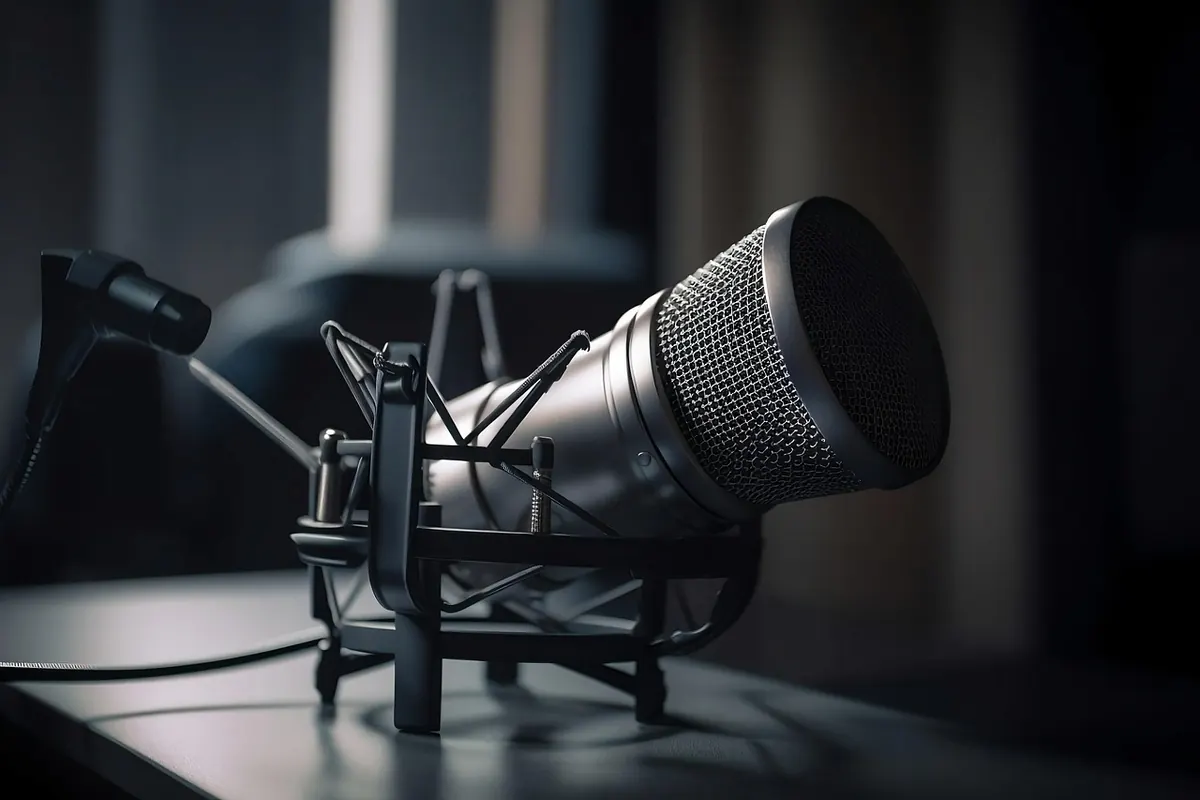
How to Prepare for an Author Interview: 10 Questions That Go Beyond the Book
Ask an author the question everyone asks — where do your ideas come from? — and you will get the answer everyone has heard. The interviews people remember are the ones where the writer pauses, looks away from the screen, and says something they had not quite said before. About the draft that failed. About the editor who was right. About the eleven years of other work that paid for this one.
Getting to that moment is mostly preparation, and preparation is a craft you can practise. Here is how to research, plan, record and shape an author interview that gives readers something the book alone could not.
Read the book, mark it up, then step away
Read the whole thing before you write a single question. Skim-reading shows in the first three minutes, and authors can tell. Mark the pages where you stopped, laughed, argued or lost the thread. Note two or three sentences you would like to ask about. A question that begins "On page 84, when…" tells the author you were paying attention, and they usually reward that with a better answer.
The acknowledgements and the author's note are often the most useful pages in the book. They contain the practical story: who read the early drafts, what changed after a structural edit, which research trip turned out to be pointless. That is the material behind the material.
Then read two or three other interviews with the same person. Not to borrow questions, but to notice which ones have already been answered in full. If a question has been asked before, ask its follow-up instead — the part nobody pursued.
Finally, widen the frame. What was happening in the field, the city or the decade the book describes? For fiction, note the machinery: who narrates, in what tense, and what is deliberately left out. For non-fiction, find the strongest counterargument and be ready to put it politely.
Design questions that open doors
Four habits separate a good interview from a pleasant chat:
- Ask about specifics, not themes. "How did you decide to end that chapter at a funeral, with no weather at all?" beats "What is the book about?"
- Avoid anything answerable with yes or no. If a question can be closed down in one word, it will be.
- Ask about choices and process. Drafts, structure, cuts, the moment a character refused to do what you both expected.
- Ask the awkward question. If the book has an obvious weakness, ask about the decision behind it rather than pretending not to have noticed.
Ten questions that go beyond the book
- Which scene or paragraph did you cut that you still miss?
- What part of this book did you have to learn how to do while doing it?
- Whose work were you arguing with as you wrote?
- What did your first reader or your editor push back on, and were they right?
- Which question did you hope an interviewer would ask you — and which one are you tired of?
- How did the book change between the first draft and the final proof?
- Which day of working on this do you remember most clearly, and why?
- What is the least glamorous part of the job, the bit nobody photographs?
- What would you like a reader to do differently once they close the book?
- What are you reading at the moment, and what is it teaching you?
Treat that list as a bank, not a script. Most interviews need five or six of these, mixed with questions only this book could prompt.
Plan a shape, not a script
Write your questions on one sheet with space between them, or on index cards you can shuffle. Know your opening question by heart so you are not rustling paper in the first thirty seconds, and know what you want to end on. A useful shape is: something easy and warm, then the substantial middle, then what comes next — the next book, the next obsession, what to read while waiting.
A good interview is a conversation with a spine. The spine holds the shape; the conversation decides what happens along it.
Be willing to abandon the plan. If the author mentions something more interesting than your third question, follow it and come back later.
Set up the recording so you can forget about it
- Two devices, always. A phone as backup costs nothing and has rescued more interviews than any microphone.
- Test for two minutes, then listen back through headphones. Listen for hum, traffic, a fridge, a ticking clock, a boiler.
- Choose a soft room. Carpets, curtains and bookshelves absorb sound; kitchens and bare hallways bounce it back at you.
- Place the microphone about a hand-span from the speaker's mouth, slightly off to one side to soften plosives, and rest it on something soft rather than a hard table.
- Remove interruptions. Airplane mode, notifications off, landline unplugged, and an agreement with everyone in the building that the next hour is quiet.
- Say the details aloud at the start: who you are speaking to, the date, the venue, and who the interview is for. It saves confusion months later.
- Back up the file the same day, in two separate places.
For a remote interview, ask the author to use headphones so their speakers do not feed back into your recording, and to sit somewhere with a stable connection if they can. Record locally where your software allows it; call recordings drop words. Spend the first minute chatting about sound levels before you begin properly — it settles both of you.
Etiquette that gets you invited back
Say how long you need, then stick to it. Arrive early, and if you are running late, message. Send questions in advance if the author or their publicist asks, but do not expect scripted answers — and never read the plot back to someone who wrote it.
Let silence do its work. Count to three before filling a gap; the second sentence after a pause is often the honest one. If something is said off the record, honour it without negotiating. Ask before quoting unpublished work, private correspondence or anything about a third party.
Be clear at the outset about whether the author will see the piece before publication. Many writers will ask to check facts and quotations; that is reasonable and different from approving the finished article. Whatever your policy is, state it before you start rather than in an awkward email afterwards.
Then thank them properly, in writing, and send the link when it goes live. It takes a minute and it is the reason people say yes the second time.
Turning the tape into something readable
Transcribe while the conversation is still fresh — the same day, if you can. Work with timestamps so you can find the good passages again. Cut the false starts and the filler, but keep the voice; a perfectly tidy sentence often sounds like nobody said it. Never stitch fragments together to change what someone meant. If you could not defend the quotation as both accurate and fair, leave it out.
Read the finished piece aloud before you publish. Check names, titles, dates and the spelling of every proper noun. Give readers enough context to follow without spoiling the ending, and resist the temptation to explain what the author really meant. They said it; let it stand.
Before you press record
Know your first question. Know your last. Have water within reach, a charged backup device, and a note of anything you must not forget to ask. Take thirty seconds to look at the author rather than your page, and remember that the book has already had its say — the interesting part starts when you stop asking about it.
Photo: Studio_Iris / Pixabay
Related Articles