Gothic Fiction
A Beginner's Guide to Gothic Fiction: Where to Start and What to Read First
Gothic fiction is the genre of the house with too many doors, the family with too many secrets, and the narrator you are not quite sure you can trust. It began as an eighteenth-century taste for ruins, castles and ghosts, and it never really went away. It simply moved — into the suburban villa, the boarding school, the hotel, the marriage.
If you have been meaning to read more of it but keep bouncing off the classics, this is for you. Below is what the term actually means, how the tradition developed, and five books that make a genuinely good first step.
What Makes a Story Gothic?
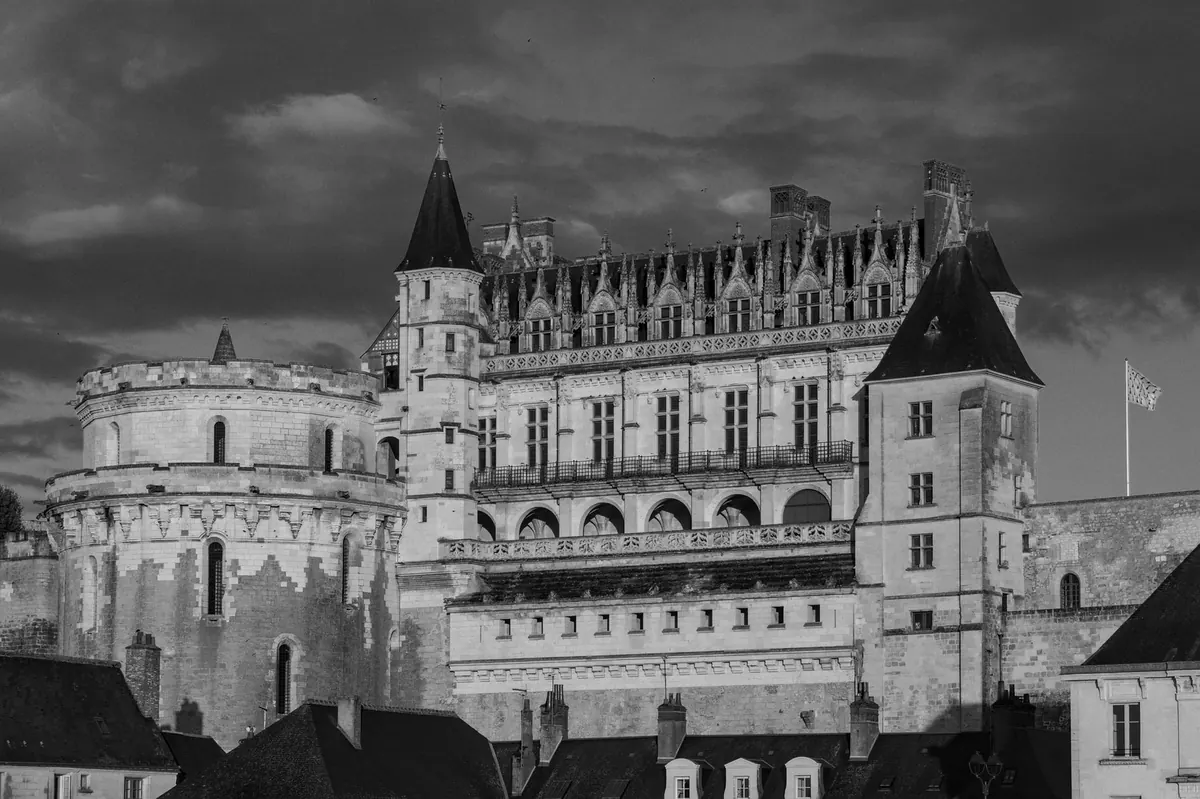
Gothic is less a genre than a mood and a set of obsessions. The word comes from architecture: it was originally an insult aimed at medieval buildings, which eighteenth-century critics thought crude and barbaric. When Horace Walpole published The Castle of Otranto in 1764 and labelled it "a Gothic story", he was borrowing that sneer and turning it into a selling point. Ruins, vaults, superstition and old blood were suddenly entertaining.
What holds the tradition together is not ghosts but anxiety about the past. Gothic plots are usually about something buried that refuses to stay buried: a crime, a parent, a marriage, a debt, a version of yourself you would rather forget. That is why the genre keeps renewing itself. Every era has something it would prefer not to look at.
A Short History, in Four Stages
The founding years
Walpole started it; Ann Radcliffe made it popular. Her The Mysteries of Udolpho (1794) established the template of a young woman, a sinister older man and a castle full of unexplained noises. Matthew Lewis pushed the horror much further with The Monk (1796). Jane Austen gently mocked the whole business in Northanger Abbey, published in 1817.
The Romantic and Victorian peak
Mary Shelley's Frankenstein (1818) turned the genre philosophical. The 1840s brought Jane Eyre and Wuthering Heights; the following decades gave us Wilkie Collins and sensation fiction; the 1890s gave us Dracula and Henry James's The Turn of the Screw. By then, the castle had become a country house, a hospital, a school.
The psychological turn
Twentieth-century writers moved the fright indoors. Daphne du Maurier's Rebecca (1938) has no supernatural content at all and is all the more unsettling for it. Shirley Jackson's The Haunting of Hill House (1959) keeps you guessing whether the house is haunted or the heroine is unwell. Susan Hill's The Woman in Black (1983) went back to Victorian methods and proved they still worked.
Now
Contemporary Gothic is everywhere, from Sarah Waters's The Little Stranger to the ghost-haunted strain in modern literary fiction, crime and young adult writing. It is not a museum piece.
The Ingredients You Will Meet Again and Again
- A setting with a memory. A house, abbey, asylum or mansion that has outlived the people who built it.
- An inheritance or a secret. Something passed down that the protagonist has to deal with, whether they want to or not.
- A double. A portrait, a reflection, a sibling, a namesake — Gothic loves the idea that the self is not single.
- Transgression. Someone crosses a line, usually involving desire, ambition or knowledge.
- Atmosphere over shock. The best Gothic is built from weather, silence, corridors and things half-seen.
- An ending that does not quite resolve. You are often left holding an explanation that does not fit.
Five Accessible First Reads
These five give you a spread of periods and approaches without demanding a month of your life each.
The Woman in Black — Susan Hill (1983)
The shortest and easiest on this list. A young solicitor is sent to sort out the papers of a dead woman in a house cut off by the tide. Hill writes in a deliberate Victorian style, which makes this a painless introduction to older Gothic conventions. Read it in one or two sittings, ideally on a grey afternoon.
Rebecca — Daphne du Maurier (1938)
A shy young woman marries a widower and arrives at Manderley, where the first Mrs de Winter is still very much present. No ghosts, no monsters, just unbearable social pressure and a housekeeper who knows more than she says. A masterclass in what Gothic can do without the supernatural.
The Haunting of Hill House — Shirley Jackson (1959)
Four people stay in a notoriously unpleasant house to investigate it. Jackson's prose is precise and quietly disturbing, and whether anything supernatural is happening is left deliberately open. Under 250 pages, and it will stay with you for weeks.
Frankenstein — Mary Shelley (1818)
Nothing like the films. Victor Frankenstein creates a living being and then abandons it; the creature tells his own story in the middle of the book. More melancholy than frightening, but it is the novel that made Gothic think.
Dracula — Bram Stoker (1897)
Written as letters, diaries and newspaper cuttings, which makes it perfect for reading in short bursts. It is long but rarely slow, and it is the source of nearly every vampire idea you already have.
How to Read Gothic Without Getting Bogged Down
A few practical notes, because Gothic can be frustrating if you arrive expecting a thriller.
- Read for mood first. The plot often matters less than the atmosphere. If a chapter is just a woman walking through a dim corridor, that is not filler — that is the point.
- Accept the slow start. Many Gothic novels spend their first fifty pages establishing ordinary life so that the disruption lands harder.
- Keep track of narrators. The genre is full of letters, diaries and second-hand accounts. Ask who is telling you this, and why.
- Do not rush the ending. Ambiguity is a feature, not a fault in the editing.
- Mix old and new. Alternate a Victorian novel with something from the last twenty years so the older language does not wear you out.
A Practical Way to Begin
Start with The Woman in Black. It takes an evening, it shows you nearly every Gothic device in working order, and it will tell you whether you want more atmosphere or more horror. If you want more atmosphere, go to Rebecca next. If you want something stranger and more philosophically unsettling, go to Frankenstein.
From there, pick by appetite rather than by reputation. If you enjoyed the unreliable narration, try The Turn of the Screw. If the house itself was the best character, try The Haunting of Hill House. If you liked the Victorian setting and want it at full length, Jane Eyre and Wuthering Heights are waiting.
One last piece of advice: read these books somewhere you can be a little uncomfortable. Gothic works best when you are slightly aware of the dark outside the window, the creak of a floorboard, the fact that you are alone in the house.
Photo: Jean-Paul Wettstein / Pexels
Related Articles