Reading Lists
Autumn Reading Checklist: 10 Gothic Novels for Darker Nights
The best autumn reading is not always the scariest. It is the book that matches the light: a house with too many corridors, a narrator you are not entirely sure about, weather that seems to be doing something deliberate. Gothic fiction has been supplying that since the eighteenth century, and the form is generous enough to hold a slim Victorian ghost story, an American novel about a family consumed by its own house, and a contemporary thriller set in a mouldering mansion in the Mexican mountains.
What follows is a checklist of ten novels, a handful of short story collections for evenings when a whole book feels like too much, and some practical notes on actually finishing them before the clocks change again.
The Checklist: Ten Gothic Novels for Darker Nights
- Frankenstein by Mary Shelley. Colder, sadder and stranger than the films suggest. Read it for the Arctic frame, the half-finished education of the creature, and the way every character is lonely in a different way.
- Dracula by Bram Stoker. Told in diaries, letters and newspaper cuttings, so the dread arrives in fragments. The early chapters in Transylvania remain the finest sustained horror writing of the Victorian period.
- The Turn of the Screw by Henry James. A governess, two children, and a question the book refuses to answer. Short enough for one evening, and you will want somebody to argue with afterwards.
- The Haunting of Hill House by Shirley Jackson. Often imitated, never bettered. Three guests, one house, and an unravelling that has far more to do with loneliness than with spectres.
- We Have Always Lived in the Castle by Shirley Jackson. Merricat Blackwood, her sister Constance, and a village with good reason to keep its distance. The voice is charming and wrong at the same time, which is the trick of it.
- Rebecca by Daphne du Maurier. Manderley, Mrs Danvers, and a dead woman more present than anyone living. Still the template for the atmospheric novel done properly.
- Wuthering Heights by Emily Brontë. Not a romance. A haunting, told by a housekeeper to a stranger, across two generations and a great deal of weather.
- The Woman in Black by Susan Hill. Deliberately old-fashioned and genuinely frightening, which is a harder combination than it looks. Best read in two sittings, at night, with the curtains shut.
- Mexican Gothic by Silvia Moreno-Garcia. A 1950s socialite, a crumbling English-style house in the mountains, and a family that is not well. Contemporary gothic that knows the rules and bends them anyway.
- The Little Stranger by Sarah Waters. A Warwickshire country house after the war, a doctor who keeps being invited back, and an ambiguity that holds right to the final page.
Three to Start With, If Ten Feels Like a Syllabus
Pick one from each mood and see how you get on. You can always come back for the rest in November.
- A short, cold shock: The Turn of the Screw or The Woman in Black. Both can be finished in an evening; both leave a mark.
- Slow atmosphere: Rebecca or Wuthering Heights. Longer, slower, and better taken a chapter or two at a time.
- Something contemporary: Mexican Gothic or The Little Stranger. Modern gothic with the door left slightly ajar at the end.
Short Story Collections for Nights You Can't Commit
Short fiction suits October and November better than almost anything else. Twenty minutes gets you a complete haunting, and you can stop without losing the thread. A good collection is also a useful testing ground: if you have never read any Shirley Jackson, one story will tell you whether her novels are for you. Start with The Lottery and Other Stories, where the ordinary and the horrible sit side by side without comment. M. R. James's Ghost Stories of an Antiquary is the opposite pleasure — scholarly, understated, and all the more frightening for never raising its voice. Edith Wharton's ghost stories are colder and more social, full of people who have already lost the argument with their own past. And Angela Carter's The Bloody Chamber, while not strictly ghost stories, uses the same machinery: old tales retold with the lights turned low.
Practical Notes for Actually Finishing Them
Gothic novels are not difficult to read, but they are easy to postpone. The trick is to treat the reading as a season rather than a task. Here are a few things that help.
- Match the book to the evening. A short James or Hill story on a weeknight; a long Brontë or du Maurier on a Sunday when you can read for two hours without checking the time.
- Read the first chapter twice. Gothic openings are full of doors, letters, and half-heard sounds. The second pass tells you what you missed, which is usually the point.
- Keep a note of the weather. Not for the book, for you. Gothic fiction is best when the outside matches the inside. Rain on the window is a cliché because it works.
- Don't force the ending. Some of these novels — The Turn of the Screw, The Little Stranger — are meant to be argued with, not solved. If you finish at midnight and feel slightly unsettled, the book has done its job.
One Last Thing Before You Begin
No live organism can continue for long to exist sanely under conditions of absolute reality; even larks and katydids are supposed, by some, to dream. — Shirley Jackson, The Haunting of Hill House
Which is as good an argument as any for spending the darker nights in a house with too many corridors. The checklist is a starting point, not a rule. If you only read one book from this list before the clocks change, make it the one that keeps you up past your bedtime — and then leave the light on.
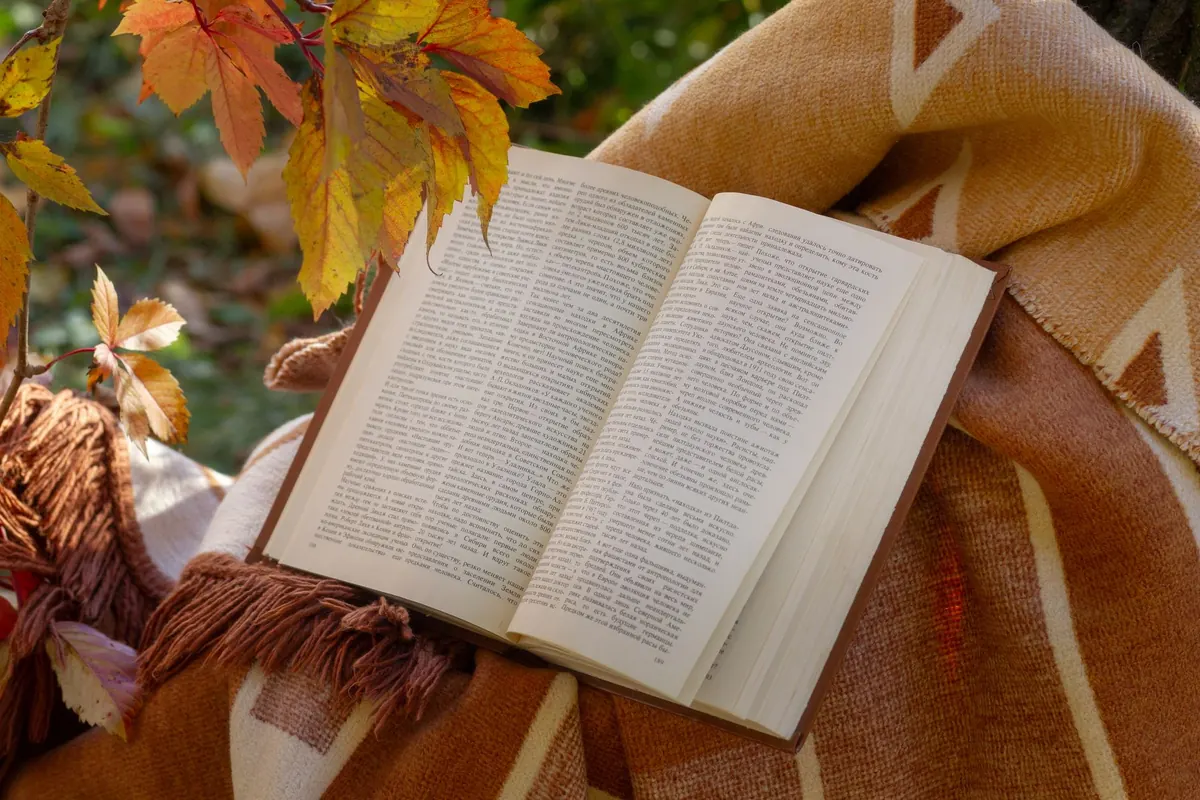
Photo: olga Volkovitskaia / Pexels
Related Articles